HYROX race day is a mix of waiting, warming up, racing hard, and trying to find your bag with tired legs. A checklist saves energy.
The official race format is simple on paper: 1 km runs, eight times, with a workout after each run. In real life, small details matter. Shoes, socks, breakfast, salt, and timing can all change how the day feels.
Verdict: a short bag of familiar, rehearsed essentials beats a bag full of last-minute possibilities.
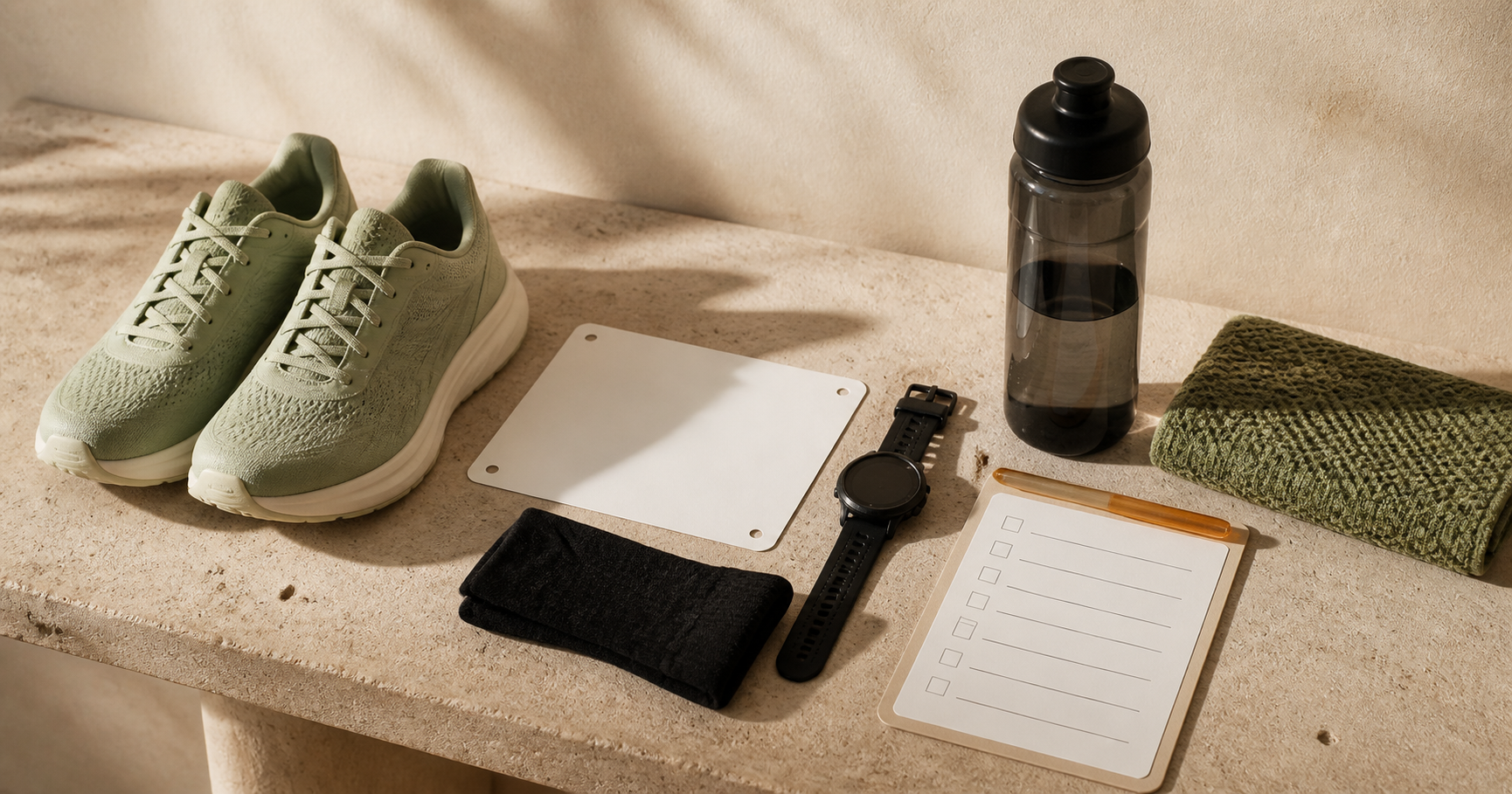
Pack by job, then stop adding things
Pack race shoes, socks, shorts or tights, top, sports bra if needed, towel, change of clothes, light jacket, phone, ID, race email, and payment card.
Add hair ties, tape, anti-chafe balm, a small first-aid item, and a spare pair of socks. Wet socks after travel are a joyless plot twist.
Bring foods you know. Good Indian choices include banana, toast, plain bun, small poha box, idli, curd rice, boiled potato, or a tested bar.
Pack one back-up snack even if you ate at home. Start waves can move, travel can drag, and nerves can make breakfast smaller than planned.
Carry water and one tested electrolyte drink. If you use a carb drink, mix it the same way you did in training.
Do not arrive dry. Also do not drink so much that your stomach sloshes at the first run. Sip early, then slow down near start time.
Only pack tested products. That could mean caffeine, a gel, electrolytes, or creatine if it is part of your normal daily plan.
Do not open a new pre-workout at the venue. Do not stack coffee, energy drink, and caffeine gel unless you have tested that exact mix.
Eat your main meal 2 to 4 hours before your start. If you need a top-up, use a banana, toast, or gel 30 to 60 minutes before.
Warm up enough to feel ready, not tired. A light jog, a few drills, some lunges, and a few wall-ball reps can be enough for many athletes.
Reach early enough to collect, check, and breathe. In India, travel time can stretch fast. Rain, parking, metro changes, and cab delays can all steal your calm.
Once you arrive, find the toilets, bag area, warm-up space, start zone, and exit route. Then stop wandering. Sit down, sip, and keep your legs quiet.
Keep your phone battery safe. A small power bank helps if your ticket, cab app, and family calls all live on the same screen.
Pack a second top for after the race. Pack a small towel. Pack slippers or loose shoes if your feet swell after running and lunges.
Bring your own safety pins if your race uses a bib. Bring a small plastic bag for wet clothes. None of this is exciting. All of it feels great when you need it.
If family or friends are coming, agree on a meeting spot before the race. After wall balls, your brain may not enjoy solving a crowd puzzle.
Avoid new shoes, new socks, new gels, new pre-workout, heavy fried food, huge salad, too much coffee, and mystery drinks.
Also avoid panic pacing. The first run can feel easy. That does not mean the sled will be polite.
Bring a recovery snack or plan one nearby. Aim for fluid, carbs, and protein. Chocolate milk, curd rice plus eggs, a whey shake with banana, or a proper meal can all work.
Change clothes if you can. Eat before the adrenaline drops. Then enjoy being done. You earned that part.
Before you leave home, do one slow scan. Shoes. Socks. Bib or race email. ID. Bottle. Snack. Phone. Keys. Wallet.
Then check the start time again. A calm athlete with a simple bag is already ahead of the athlete hunting for socks at the venue.
Send the same list to yourself the night before. It sounds silly. It works when race brain gets loud.
The best HYROX race day checklist is short and tested. Your bag should cover food, fluids, kit, comfort, and recovery. It should not become a supplement shop.
Pack early. Eat familiar. Sip smart. Start calm. The race is hard enough without a bag full of guesses.
Sources
This article reports on peer-reviewed scientific research published in named journals. All findings are attributed to their source studies and researchers. CleanLabel° is not a medical publication and does not provide health advice. Nothing in this article constitutes a diagnosis, treatment recommendation, or substitute for consultation with a qualified healthcare professional. If you are experiencing symptoms or have a health concern, speak to a registered doctor or dietitian.